
In 2016, the FDA announced a new Nutrition Facts Label for packaged foods. The label is design to better inform consumers on food choices. A key addition to the label is “added sugars.” This is great news for the consumer, as it reveals just how much added sugar goes into each product. According to the FDA, exceeding more that 10 percent of you total daily in added sugars, makes it difficult to meet nutrient needs (Pomeranz 1). The issue here is human consumption of excessive amounts of sugar, not that sugar is the problem necessarily.
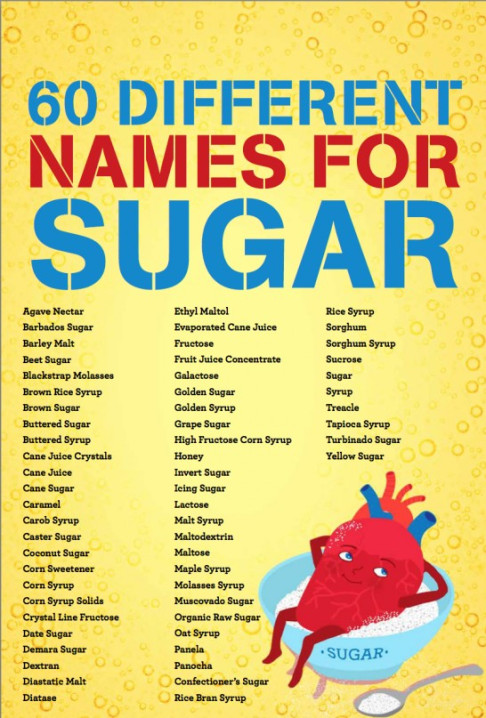
Let’s talk about added sugar. In the year 2000, 17.9% of total energy intake (98.6 grams), was added sugar in the United States (Pomeranz 2). That adds up to 394.4 calories daily. Again, that is just added sugars, not including natural sugars. Children between 6-17, on average consume approximately 17% daily intake with added sugars (Pomeranz 2). Makes you wonder which side of the fence a dentist is on, low sugar intake or career. The biggest issue is that added sugar is everywhere. Often foods you think our “natural” or“healthy” contain added sugar.
Researchers from the University of North Carolina conducted a survey of packaged food and drinks and found that 60% of them included some form of added sugar (NYT). Pomeranz states, “A main source of added sugar is derived from commercially sweetened products.” Those are sweetened beverages, grain-based desserts, dairy desserts, syrups, candy, and ready to eat cereal. Sweetened beverages are the single largest contributor of added sugar, equaling 46.2% of all added sugars.
In 2009, the American Heart Association concluded that weight gain in the United States, over the past 30 years was related in part to an increased intake of added sugars (Pomeranz 2). Research shows, overweight adults with high added sugar diets have a tendency to develop an increased insulin resistance and low micronutrient intake (Pomeranz 2). “New research is emerging that supports that not all added sugar is metabolized the same,” says Pomeranz.
The positive news is that in 2007-2008, National Health and Nutrition Examination Survey showed that added sugar intake is down to 14.5% (Pomeranz 3). Definitely an improvement, but still over the recommended daily consumption. As of right now, there is no evidence of food manufactures changing how they process their food. So it is up to the individual.
You may be asking, “What should be my intake then?” Well, according to the American Heart Association, daily added sugar consumption should be limited to 4.5% to 6.5% total calories (Pomeranz 3). That is about 100 calories per day for women and 150 for men (Pomeranz 3). The World Health Organization recommends under 10% of your caloric intake. A big way to cut down on sugar is be aware of what you are putting into your body. Read the Nutrition label that the government has so kindly enforced companies to have. This requires discipline, and maintaining an active lifestyle. Remember, sugar is a carbohydrate. It’s energy and if it is not used, it is then turned to fat and stored.
Work Sited
Pomeranz L, Jennifer. “The Bittersweet Truth About SugarLabeling Regulations: They Are Achievable and Overdue.” American Journal of Public Health, Vol. 102, Issue 7, pg. 14-20,2012.
Sanger-Katz, Margot,
“You’d Be Surprised at How Many Foods Contain Added Sugar,” 22 May, 2016, https://www.nytimes.com/2016/05/22/upshot/it-isnt-easy-to-figure-out-which-foods-contain-sugar.html. Accessed on 2/12/2018
Gifford, Dawn, “Cost of nursing your sweet tooth,” https://www.smallfootprintfamily.com/nursing-your-sweet-tooth. Accessed on 2/12/2018

 The not so sweet truth about sugar